
Ultimate High Protein Diet Weight Loss: 7 Science-Backed Benefits
 Jul 20, 2026
5 min read
Jul 20, 2026
5 min read
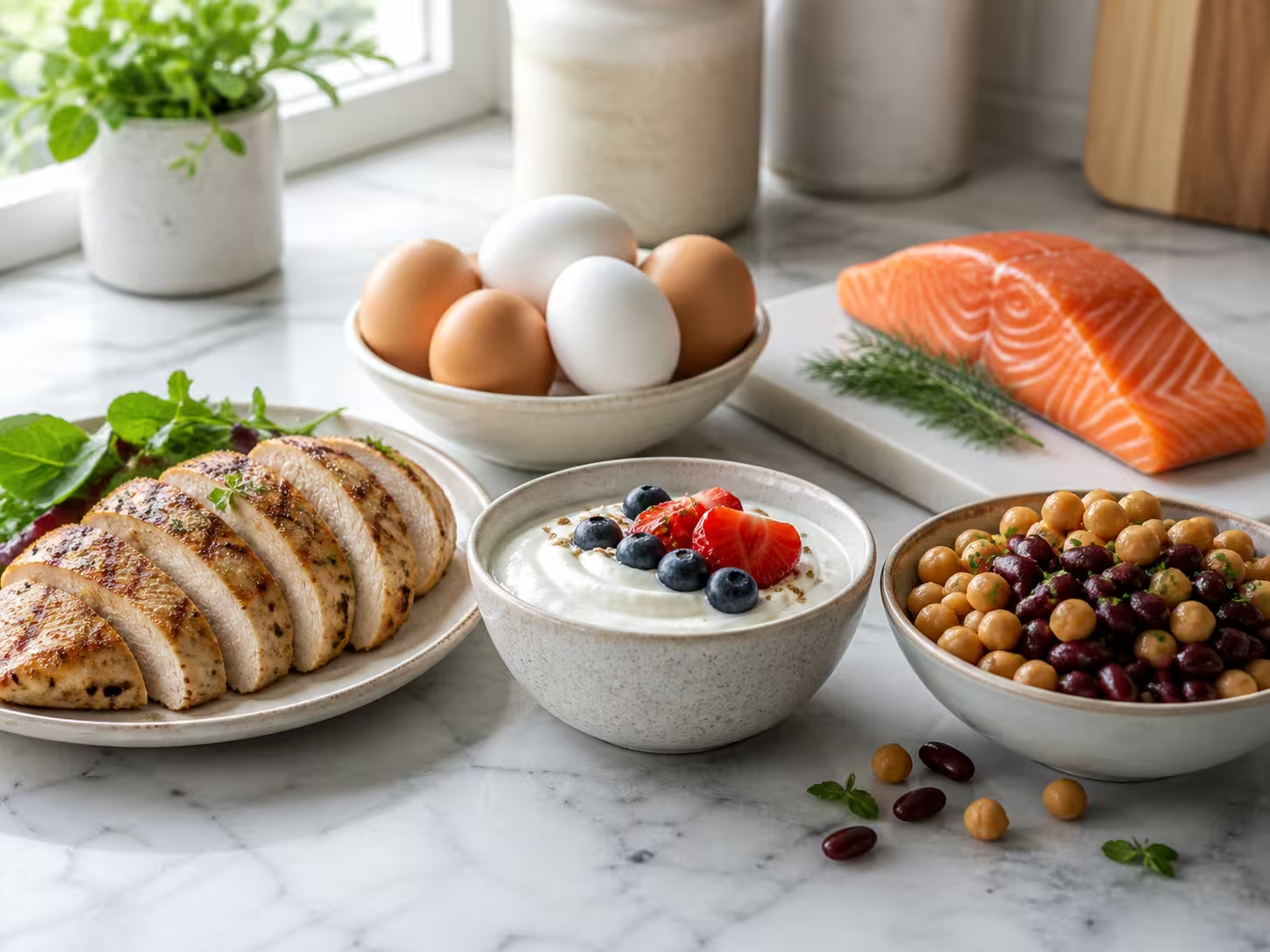
A high protein diet weight loss approach works not because protein is magic, but because it changes how your body responds to eating less. Protein keeps you full longer than carbs or fat, which means you naturally eat less without feeling like you are on a diet. It also protects muscle mass when you are in a calorie deficit, and muscle is what keeps your metabolism from crashing as you lose weight.
The high protein diet weight loss connection is one of the most researched areas in nutrition science, and the data is remarkably consistent. Higher protein intake during weight loss leads to better outcomes across almost every metric — more fat loss, less muscle loss, better appetite control, and higher adherence rates.
This is not a fad diet claim. This is what happens when you shift your macronutrient ratios in favor of protein while maintaining a calorie deficit. The protein itself does not burn fat. It creates conditions that make fat loss easier and more sustainable.
How Protein Affects Weight Loss
Protein has a higher thermic effect than carbs or fat. Your body burns more calories digesting protein than it does digesting other macronutrients.
About 25 to 30 percent of the calories in protein are used just to break it down and process it. For carbs, that number is 5 to 10 percent. For fat, it is even lower. This does not mean protein is a "fat burning food" — it means your net calorie intake from protein is lower than the label suggests. If you eat 100 calories of protein, your body only nets 70 to 75 calories after digestion.
Protein increases satiety more than other macros. Studies show that people who eat high-protein meals report feeling fuller for longer and naturally eat fewer calories at their next meal. This is partly hormonal — protein triggers the release of satiety hormones like GLP-1 and PYY — and partly mechanical. Protein slows gastric emptying, so food stays in your stomach longer. For practical high-protein meal ideas, see our 5 High Protein Recipes.
How Much Protein for Weight Loss
The research suggests 1.6 to 2.2 grams of protein per kilogram of body weight per day during a calorie deficit. For someone who weighs 80 kilograms, that is 128 to 176 grams of protein per day.
This is higher than the RDA, which is set at 0.8 grams per kilogram. The RDA is designed to prevent deficiency, not to optimize body composition during weight loss. When you are eating fewer calories, you need more protein to protect muscle mass.
You do not need to hit the high end of that range unless you are very active or doing a lot of resistance training. Most people see good results at 1.6 to 1.8 grams per kilogram. That is roughly 30 percent of total calories from protein if you are eating 1,800 to 2,000 calories per day. Our Meal Prep for Weight Loss Guide shows how to hit these targets consistently.
Protein and Muscle Preservation
When you lose weight, you lose both fat and muscle. The ratio depends on how aggressive your calorie deficit is and how much protein you eat. A higher protein intake shifts that ratio in favor of fat loss.
Studies show that people eating 1.6 grams of protein per kilogram during weight loss lose significantly less muscle than people eating 0.8 grams per kilogram, even when total calorie intake is the same. The protein group also loses more fat.
Muscle matters for metabolism. A pound of muscle burns about 6 calories per day at rest, while a pound of fat burns about 2 calories. Losing muscle during weight loss means your metabolism slows down more than it should, which makes it harder to keep the weight off later. Protein helps preserve muscle, which keeps your metabolism higher.
Practical Tips for High Protein Eating
Front-load protein at breakfast. Starting the day with 30 to 40 grams of protein sets you up for better appetite control all day. Eggs, Greek yogurt, cottage cheese, or a protein smoothie all work. For breakfast ideas, check our Banana Protein Pancakes.
Build meals around a protein source. Instead of thinking "what should I make for dinner," think "what protein am I eating for dinner, and what goes with it." This forces you to prioritize protein rather than treating it as an afterthought.
Track your intake for one week. Most people underestimate how much protein they eat. Use a food tracking app for seven days to see where you actually land. If you are consistently below 100 grams per day, you have room to adjust.
Spread protein across meals. Your body can only use about 25 to 40 grams of protein per meal to build muscle. Eating 150 grams of protein in one sitting does not work better than eating 30 grams across five meals. Aim for 25 to 35 grams per meal.
Common Mistakes
Relying too much on protein powder. Powder is convenient but it does not keep you as full as whole food protein. Use it when you need it, but prioritize chicken, fish, eggs, Greek yogurt, and legumes first.
Ignoring total calories. Protein helps with weight loss, but it does not override a calorie surplus. If you eat more calories than you burn, you will gain weight regardless of how much protein you eat. Protein makes a deficit easier to maintain, but it does not eliminate the need for one. For structured meal planning, see our Meal Prep for Weight Loss guide.
Cutting carbs and fat too low. You need all three macros for health. Protein should be high, but carbs and fat should not be eliminated. A sustainable approach is 30 percent protein, 35 percent carbs, 35 percent fat. Adjust from there based on how you feel and how well it works for you.